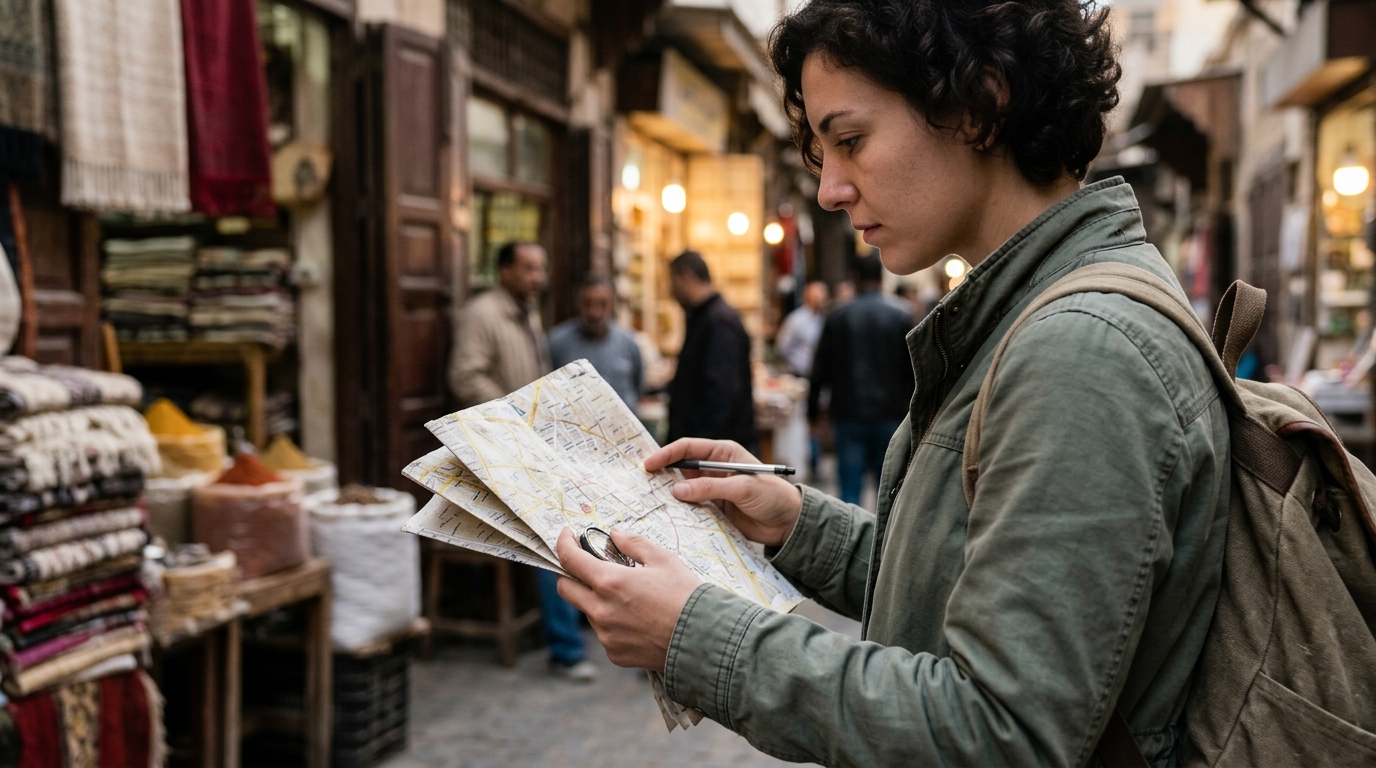
No single country is universally “riskiest” for solo travelers because risk changes by city, neighborhood, season, and even time of day. What’s more reliable than a ranked list is looking at the most common threats solo travelers face—petty theft, scams, harassment, transportation safety, and the ability to get help quickly—and then matching those to the specific places on your route.
That said, countries experiencing active conflict, severe political instability, or widespread violent crime tend to carry higher baseline risk for travelers alone, especially outside well-monitored tourist zones. In those environments, small problems (a stolen phone, a wrong turn, a missed bus) can escalate faster because communication and trusted services are harder to access.
Instead of asking “Which country is the riskiest?” it helps to ask: “Which parts of my trip create the most exposure?” Solo travelers are more vulnerable in situations like arriving after dark, using informal taxis, carrying valuables openly, withdrawing cash at isolated ATMs, or socializing with strangers while distracted. Many destinations considered “safe” overall still have hotspots where pickpockets, drink-spiking, or street scams concentrate.
Before you go, check your government’s travel advisories, scan recent local news, and search for current scam patterns in the exact cities you’ll visit. Then build a simple personal safety plan: share your itinerary, keep digital copies of documents, use a crossbody bag with zippers, set up phone tracking, and learn the local emergency number. For practical steps to prevent theft and fraud while traveling alone, see this travel security guide.
The “riskiest country” is often the one where preparation is weakest. With good habits—situational awareness, secure payments, and trusted transportation—many solo travelers reduce risk dramatically, even in busy or unfamiliar places.
Stick to well-reviewed transportation and accommodations, keep valuables out of sight, and be cautious with unsolicited help or “too good to be true” offers. Use credit cards or mobile wallets when possible and verify prices before agreeing to a service.









Leave a comment